

中文(简体)
How to Maximize the Effects of Aqua Peel and Lala Peel: Is 'This' the Right Answer for Your Skin?
How to Maximize the Effects of Aqua Peel and Lala Peel: Is 'This' the Right Answer for Your Skin?
2026.06.30
How to Maximize the Effects of Aqua Peel and Lala Peel: Is 'This' the Right Answer for Your Skin?
Hello.
This is nbom Clinic.

When the skin becomes rough, "peeling" is often the first thing that comes to mind. However, many people experience difficulty making a
choice when faced with numerous options such as Aqua Peel, Lala Peel, and Pumpkin Peel.
There is no "absolute right answer" that applies to every skin type.
This is because the appropriate treatment changes depending on whether your primary skin concern is "excessive sebum" or
“dullness and sensitivity.”
Today, we will realistically compare the core differences between Aqua Peel and Lala Peel, along with the criteria for selecting the treatment
that suits you best.
1. Aqua Peel: The Core Lies in Deep Cleansing the Pores and Removing Sebum
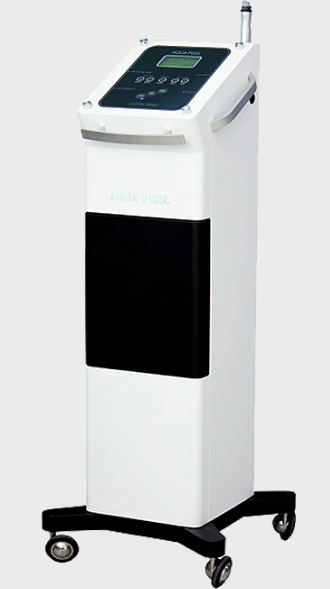
Aqua Peel is a moisture-adsorbing peeling treatment that uses a rotating tip device to suction and physically remove dead skin cells and
sebum from inside the pores.
Principle and Ingredients: It utilizes AHA (water-soluble exfoliation) and BHA (oil-soluble sebum removal) solutions to clear out demodex
mites, blackheads, and impurities while simultaneously supplying moisture.
Noticeable Effects: Right after the procedure, blackheads around the nose are noticeably cleared, and the skin surface becomes
instantly smoother.
- Recommended For: Oily skin, acne-prone skin, individuals whose pores frequently clog with sebum, or those concerned with blackheads.
Precautions: Due to the suction pressure of the device, sensitive skin may experience temporary redness or irritation immediately after
the procedure. Therefore, the pressure should be adjusted after consultation with the medical staff.
2. Lala Peel (LHA Lala Peel): Irritation-Free 'Protein Dissolution' and Skin Regeneration
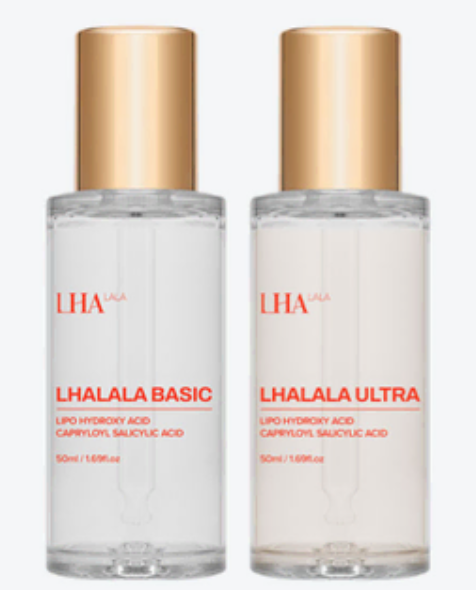
Lala Peel combines alkali with 4th-generation LHA (Laha), developed by the global beauty company L'Oréal, to gently dissolve impurities
without stripping the skin, making it a low-irritation peeling option.
Principle and Ingredients: Rather than artificial micro-dermabrasion, it protects the lipid barrier while loosening the bonds between
dead skin cells to slowly dissolve proteins.
- Noticeable Effects: There is almost no pain or stinging during the procedure, and it stimulates fibroblast activation, allowing patients to expect skin barrier strengthening and collagen regeneration effects simultaneously.
- Recommended For: Sensitive skin, dry skin, skin with redness, or individuals wishing to improve overall skin tone and texture.
Precautions: Because it does not forcibly strip dead skin cells, the rate of blackhead removal for oily skin may be slower compared
to Aqua Peel.
3. Quick Comparison: Summary of Differences Between Aqua Peel and Lala Peel
| Comparison Item | Aqua Peel | Lala Peel (LHA Peel) |
|---|---|---|
| Primary Principle | AHA/BHA solution + device suction (physical cleansing) | LHA + alkaline ingredients (chemical dissolution) |
| Target Concerns | Blackheads, excessive sebum, pore impurities | Dull skin tone, rough skin texture, weakened barrier |
| Skin Type | Oily, combination, acne-prone skin | Sensitive, dry, thin skin |
| Pain / Irritation | Slight suction pressure, potential temporary redness | No pain, minimal irritation (low-irritation) |
| Recommended Frequency | Every 1–2 weeks, 3 or more sessions recommended | Every 1–2 weeks, 3–5 or more sessions recommended |
4. Self-Diagnosis Guide: Choosing the Right Peel for You
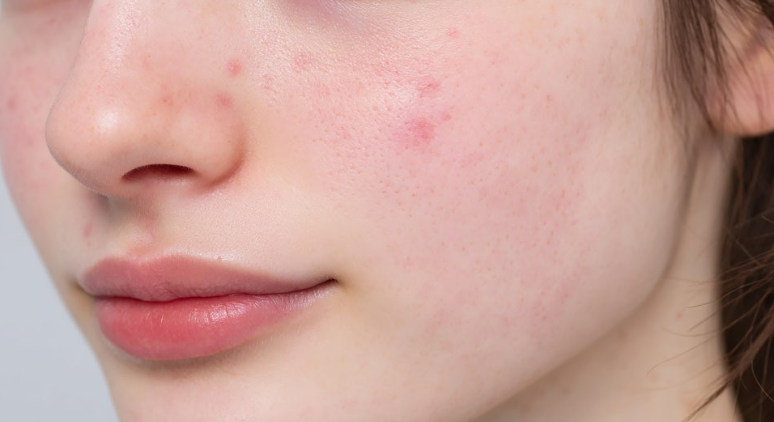
CASE A: "When I apply makeup, it becomes bumpy and flaky around my nose and chin due to sebum, and my blackheads really bother me."
👉 The answer is Aqua Peel. You can achieve a reliable pore-cleansing effect.
CASE B: "My skin is thin and sensitive, so it flushes easily. My overall complexion is dull, and I want to make my skin texture smoother."
👉 The answer is Lala Peel. A safe, regenerative peel that does not strip the barrier may be suitable for you.
💡 A Word from the Doctor (Tip)
Rather than a one-time treatment, both procedures tend to normalize the skin turnover cycle and show noticeable improvement when performed at intervals of 1 to 2 weeks for at least 3 sessions.
Conclusion: How to Have a Successful Consultation at the Dermatology Clinic
We do not recommend finalizing a treatment based solely on online reviews or trends about "what works for someone else."
When visiting a clinic, instead of simply asking to "Please do an Aqua Peel," it is better to clearly state your current skin condition and goals,
such as, "I am concerned about sebum secretion right now, would Aqua Peel be appropriate for my skin barrier condition?" or "I have redness,
can I still receive Lala Peel?"
This approach helps in finding the safest and most effective customized solution.
Discover healthy and clear skin with the peeling treatment that suits you best.