

English
Liftera 2: Prevention in Your 30s vs. Improvement in Your 50s
Liftera 2: Prevention in Your 30s vs. Improvement in Your 50s
2026.03.31
“Liftera 2: Prevention in Your 30s vs. Improvement in Your 50s”
Hello,
this is nbom Clinic.

When do the signs of aging on our face first and most clearly reveal themselves?
Perhaps it's when you're happily taking selfies under the warm spring sun, only to suddenly notice a heavier jawline or deepened smile lines
on the screen.
The approach to preventing elasticity loss in your 30s and improving deep sagging in your 50s is completely different in both its purpose and
its method.
That is why today, we would like to talk about Liftera 2, a popular treatment sought by many because it allows for delicate, customized
procedures even on the curved areas of the face.
Liftera 2: Targeting the SMAS Layer, the Core of Skin Elasticity
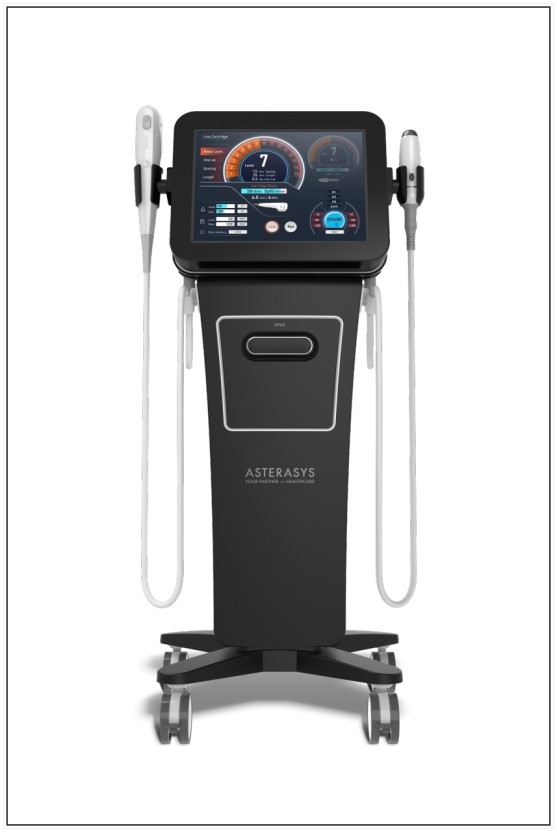
Liftera 2 is a device that utilizes High-Intensity Focused Ultrasound (HIFU) energy.
Without damaging the skin's surface, it delivers thermal energy deep into the SMAS (fascia) layer—often called the core pillar of elasticity—
to induce collagen regeneration.
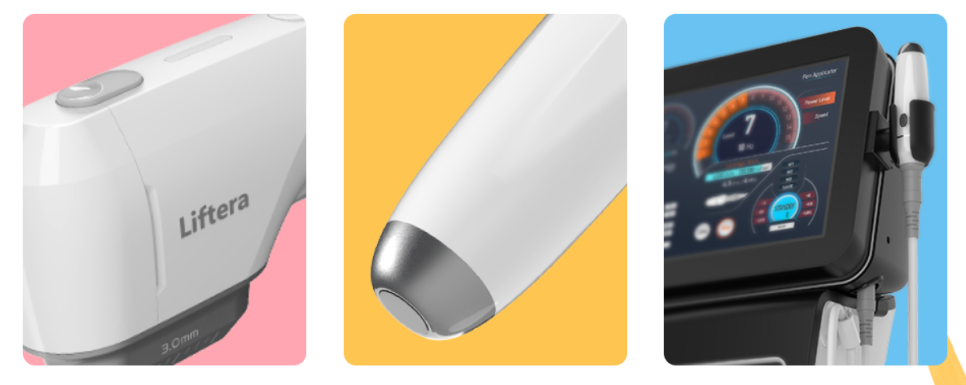
In particular, its energy delivery efficiency has been improved compared to previous models. With its dual irradiation method using both Line
and Pen types, a major advantage is that it can meticulously care for not only wide areas of the face but also fine, curved areas.
For Skin in its 30s: Focusing on 'Prevention' and 'Contour Refining'

In your 30s, rather than noticing severe sagging, it is a time when you start feeling that your jawline isn't as sharp as it used to be, or
the areasaround your cheeks have become slightly loose.
At this stage, Liftera 2 focuses on building the 'foundational stamina of elasticity.'
The goal is to proactively stimulate collagen synthesis to slow down the rate of skin sagging and smoothly refine blurred facial lines.
By using the Pen-type handpiece to meticulously sculpt curved jawlines and the areas around the mouth, you can expect a natural,
non-artificial tightening effect.
For Skin in its 50s: Rebuilding 'Resilience' and 'Deep-Layer Elasticity'
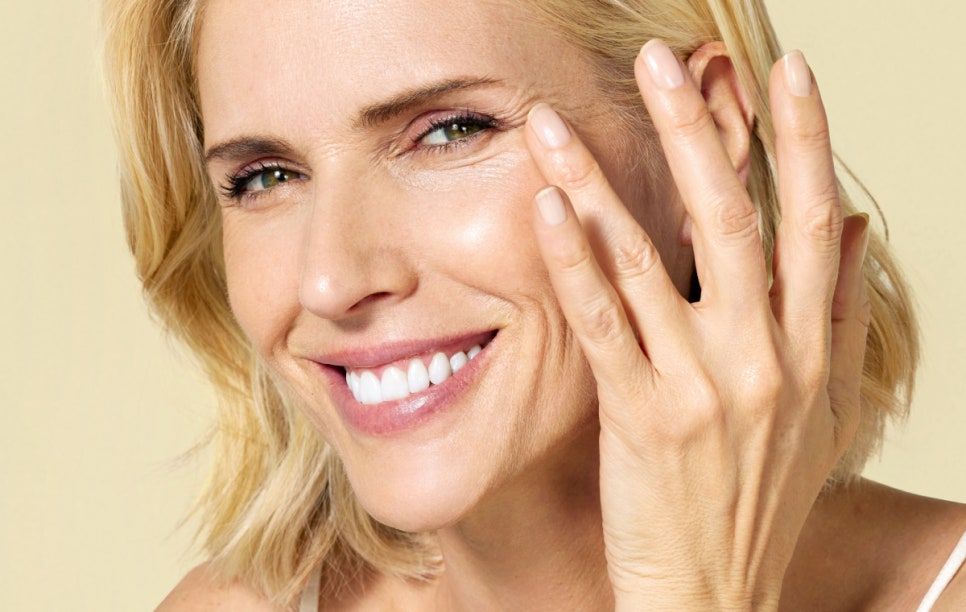
For skin in its 50s and beyond, collagen density has decreased, and the fascia layer has become somewhat loose.
Therefore, unlike the approach for the 30s, a strategy of deeply and sufficiently accumulating energy is necessary.
Rather than simply increasing the number of shots, energy must be intensively delivered to areas where sagging is prominent, such as the
upper part of the nasolabial folds, double chins, and collapsed jowl lines.
However, for areas with thin skin or less fat, careful intensity adjustment must come first, making the medical staff's detailed design more
important than anything else.
Maintenance Strategies and Precautions Tailored to You
Liftera 2 has a short downtime after the procedure, allowing for a quick return to daily life. However, the maintenance period and treatment
cycle can vary depending on individual skin resilience.
For those in their 30s, we recommend a preventive approach of steady maintenance at intervals of several months, depending on skin
condition, to sustain elasticity.
For those in their 50s, it can be highly effective to undergo intensive care tailored to a set cycle in early consultation with our medical
staff, to get elasticity back on track.
For about a week after the procedure, it is best to avoid activities that apply excessive heat to the skin, such as drinking alcohol, saunas,
and strenuous exercise.
Additionally, washing your face with lukewarm water and ensuring sufficient moisturizing care will aid skin regeneration and help maintain
the effects.
What Matters More Than Numbers is the 'Voice of Your Skin'
Doing a light procedure just because you are in your 30s, or a strong procedure just because you are in your 50s, is not always the right answer.
What is truly important is a 'personalized diagnosis' that comprehensively evaluates your skin thickness, fat distribution, and the direction
of sagging.
While Liftera 2 is a device capable of precise, customized treatments through cartridges of various depths, it is the experience and judgment
of the medical staff that ultimately make the difference in results.
We highly recommend getting a thorough consultation first to plan a lifting treatment that perfectly suits you.
We are always here to support your healthy and beautiful skin.
Thank you!